


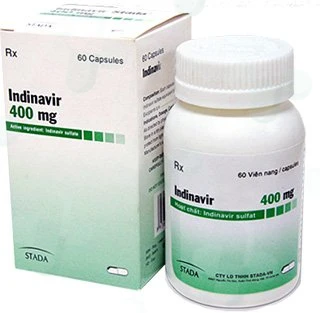
Indinavir

Indinavir is an antiretroviral medication used in the treatment of Human Immunodeficiency Virus (HIV) infection. It belongs to a class of drugs known as protease inhibitors, which work by blocking an enzyme essential for HIV replication. This helps to reduce the viral load in the body and improve immune function. Indinavir is typically used in combination with other antiretroviral drugs as part of a comprehensive treatment regimen for HIV.
Delivery: 5–21 days (depending on the shipping method selected)
Extra 10% off with code: EXTRA10
Each dosage option has its own packaging variants.
Indinavir a protease inhibitor altering HIV progression and patient outcomes
Welcome to our comprehensive guide on Indinavir, a cornerstone medication in the fight against Human Immunodeficiency Virus (HIV). As a vital component of highly active antiretroviral therapy (HAART), Indinavir plays a critical role in managing HIV infection, helping individuals lead healthier, more productive lives. For those in Australia seeking reliable access to this essential medication, understanding its benefits, proper usage, and availability is paramount. Our platform is dedicated to providing Australians with detailed, accurate information and convenient access to the treatments they need.
In Australia, particularly in major cities like Sydney and Canberra, and indeed across the entire nation, the medical community continues to advocate for effective HIV management. Indinavir stands as a testament to advancements in antiretroviral therapy, offering a powerful option for many living with HIV. We understand the importance of discreet and efficient access to medication, and our commitment is to facilitate your ability to purchase this important drug with ease and confidence. Explore this detailed overview to learn more about how Indinavir can support your health journey and how you can acquire it conveniently online.
Understanding Indinavir: Mechanism of Action and Therapeutic Role
Indinavir is a potent antiretroviral drug classified as a protease inhibitor (PI). It plays a crucial role in the management of Human Immunodeficiency Virus type 1 (HIV-1) infection by targeting a specific enzyme vital for viral replication. The HIV virus, once it infects a human cell, hijacks the cell’s machinery to produce long strands of viral proteins. These protein strands are non-functional until they are precisely cut into smaller, active pieces by an enzyme called HIV protease. This enzyme acts like molecular scissors, enabling the virus to mature and form new infectious particles that can then go on to infect other cells.
The active ingredient, Indinavir, works by selectively binding to the active site of the HIV protease enzyme. By doing so, it effectively blocks the enzyme’s ability to cleave the precursor viral proteins into their functional components. This inhibition prevents the assembly of new, infectious HIV virions. Essentially, Indinavir stops the virus from maturing, thereby reducing the viral load in the body and preserving the immune system. This mechanism is critical because it directly interrupts the life cycle of the virus at a late stage, preventing it from spreading further and causing damage.
In clinical practice, Indinavir is almost always used as part of a combination regimen known as Highly Active Antiretroviral Therapy (HAART). HAART typically involves a combination of three or more antiretroviral drugs from at least two different classes, such as protease inhibitors, reverse transcriptase inhibitors, and integrase inhibitors. This multi-drug approach is essential for several reasons: it provides a more comprehensive attack on the virus, reduces the likelihood of drug resistance developing, and offers a synergistic effect that leads to a more significant and sustained reduction in viral load. For individuals living in Australia and beyond, adherence to HAART regimens that include Indinavir has transformed HIV from a rapidly progressive, fatal disease into a manageable chronic condition, significantly improving quality of life and increasing life expectancy.
The therapeutic impact of Indinavir in HAART includes a substantial decrease in the amount of HIV in the blood (viral load) and an increase in the number of CD4+ T-cells, which are crucial immune cells that HIV targets and destroys. By protecting these cells, Indinavir helps restore and maintain immune function, making the body more resilient against opportunistic infections and certain cancers commonly associated with advanced HIV disease. This robust mechanism of action underscores why Indinavir remains an important option for many patients in Australia who require effective HIV management.
Approved Indications and Efficacy of Indinavir
The primary and officially approved indication for Indinavir is for the treatment of Human Immunodeficiency Virus type 1 (HIV-1) infection in adults and adolescents. It is specifically used in combination with other antiretroviral agents, forming the backbone of what is known as Highly Active Antiretroviral Therapy (HAART). Monotherapy with Indinavir is not recommended, as it can quickly lead to the development of drug resistance, compromising its effectiveness.
The efficacy of Indinavir has been well-established through extensive clinical trials. When used as part of an appropriate HAART regimen, it has demonstrated significant capabilities in reducing the viral load to undetectable levels and increasing CD4+ T-cell counts. These two markers are critical indicators of successful HIV treatment. A reduced viral load means less virus circulating in the body, which not only improves the health of the individual but also significantly lowers the risk of HIV transmission. An increased CD4+ count indicates a stronger immune system, better equipped to fight off infections and diseases that are common in people with HIV.
The benefits of sustained viral suppression with Indinavir-containing regimens extend to a dramatic improvement in the clinical outcomes for people living with HIV. This includes a reduced incidence of opportunistic infections such as Pneumocystis pneumonia, Kaposi’s sarcoma, and various fungal infections, which were once common and life-threatening complications of AIDS. Furthermore, effective treatment with Indinavir helps in the prevention of HIV-related neurological complications and certain malignancies. For patients across Australia, access to such effective treatments has been pivotal in transforming HIV into a manageable chronic condition, allowing individuals to live longer, healthier lives.
It is important to note that the decision to include Indinavir in a patient’s regimen is typically based on factors such as their treatment history, viral resistance profiles, and potential drug interactions. However, its proven ability to potently inhibit viral replication and improve immunological parameters makes it a valuable tool in the comprehensive strategy for managing HIV-1 infection, continuing to benefit many individuals in Australia and worldwide.
Dosage and Administration Guidelines
The effective use of Indinavir relies heavily on strict adherence to prescribed dosage and administration guidelines. While precise medical advice should always come from a healthcare professional, understanding the general principles of its use is important for those who wish to purchase this medication online. The standard recommended dose of Indinavir for adults is typically 800 mg taken orally every eight hours. This specific dosing schedule is crucial because Indinavir has a relatively short half-life, meaning it is quickly processed and eliminated from the body. Maintaining consistent drug levels throughout the day is essential for effective viral suppression and to prevent the development of drug resistance.
A key aspect of administering Indinavir is its requirement to be taken on an empty stomach to ensure optimal absorption. This usually means taking it one hour before or two hours after a meal. However, it can be taken with a light meal (e.g., dry toast with jam, or cereal with skim milk) if stomach upset occurs. Crucially, it should always be taken with plenty of water (at least 1.5 litres over 24 hours) to help prevent the formation of kidney stones, a known potential side effect of Indinavir. Staying well-hydrated is a fundamental recommendation for anyone using this medication, whether in Sydney, Canberra, or any other part of Australia.
For patients who are also taking Ritonavir as a pharmacokinetic enhancer (booster) to improve Indinavir‘s levels and reduce its dosing frequency, the dosage regimen for Indinavir will be different. Typically, when boosted with Ritonavir, the dose of Indinavir might be reduced, and the frequency changed to twice daily. The exact combination and dosage will always be determined by a healthcare provider based on individual patient needs, other medications being taken, and the overall treatment strategy for HIV.
Adherence to the prescribed schedule is paramount for the success of HIV therapy. Missing doses of Indinavir can lead to suboptimal drug levels, which increases the risk of viral rebound and the emergence of drug-resistant strains of HIV. Patients should be counselled on the importance of taking every dose as directed, without interruption, even if they feel well. Any changes in dosage or missed doses should be discussed with a healthcare professional to adjust the treatment plan accordingly. This diligent approach is vital for ensuring the long-term effectiveness of Indinavir in managing HIV infection for individuals across Australia.
Potential Side Effects and Management
Like all medications, Indinavir can be associated with a range of side effects, although not everyone will experience them. Being aware of potential side effects is important for proper management and for knowing when to seek advice, even when you `buy Indinavir online` `without prescription`. Understanding these possibilities helps individuals in Australia to better manage their treatment journey.
Common side effects often include gastrointestinal disturbances such as nausea, vomiting, diarrhoea, and abdominal pain. These are usually mild to moderate and may improve over time as the body adjusts to the medication. Taking Indinavir with a light meal or consulting a healthcare professional for symptomatic relief can sometimes help manage these issues. Another notable common side effect is asthenia or fatigue, which can impact daily activities.
A significant and well-documented side effect of Indinavir is the potential for kidney stone formation (nephrolithiasis). This is due to the drug’s metabolism and excretion via the kidneys. To mitigate this risk, it is crucial to maintain adequate hydration by drinking plenty of fluids throughout the day, typically at least 1.5 litres of water over 24 hours. Symptoms of kidney stones can include severe pain in the back or side, blood in the urine, painful urination, or fever and chills. If these symptoms occur, immediate medical attention is advisable.
Other potential side effects include metabolic changes, which are common with protease inhibitors. These can manifest as lipodystrophy (changes in body fat distribution, such as loss of fat from the face, arms, and legs, and accumulation of fat in the abdomen or back of the neck), hyperlipidaemia (elevated cholesterol and triglycerides), and insulin resistance or hyperglycaemia (elevated blood sugar levels) which can sometimes lead to new-onset diabetes or worsening of existing diabetes. Regular monitoring of blood lipids and glucose levels is often recommended.
Less common but more serious side effects can include liver problems (hepatotoxicity), which may present as jaundice (yellowing of the skin or eyes), dark urine, or persistent nausea and vomiting. Skin reactions, ranging from mild rashes to severe Stevens-Johnson syndrome, have also been reported. Haemolytic anaemia (a condition where red blood cells are destroyed faster than they are made) and increased bleeding in individuals with haemophilia are also rare but serious concerns.
While this online pharmacy allows you to `purchase Indinavir` `without a doctor prescription`, staying vigilant for these side effects and discussing any concerns with a healthcare provider is always recommended. For residents of Sydney, Canberra, and all of Australia, accessing reliable health information is crucial for safe and effective medication use. Understanding these potential issues ensures you are well-prepared to manage your health while on Indinavir therapy.
Drug Interactions and Precautions
The potential for drug interactions is a critical consideration when taking Indinavir, as it can significantly affect the drug’s efficacy and safety. Indinavir is primarily metabolised by the cytochrome P450 3A4 (CYP3A4) enzyme system in the liver. Therefore, co-administration with other drugs that either inhibit or induce this enzyme can alter the plasma concentrations of Indinavir or the co-administered drug, leading to increased toxicity or reduced effectiveness.
Drugs that are strong inhibitors of CYP3A4 can increase Indinavir levels, potentially leading to enhanced side effects. Conversely, drugs that are strong inducers of CYP3A4 can decrease Indinavir levels, leading to suboptimal viral suppression and increased risk of resistance. Examples of drugs that should be avoided or used with extreme caution include certain antihistamines (e.g., terfenadine, astemizole), sedatives (e.g., midazolam, triazolam), migraine medications (e.g., ergotamine, dihydroergotamine), and cholesterol-lowering statins (e.g., simvastatin, lovastatin). Specific antifungal agents (e.g., ketoconazole, itraconazole), antibiotics (e.g., rifampicin, clarithromycin), and other antiretrovirals can also have significant interactions.
Precautions are also necessary for specific patient populations. Individuals with pre-existing liver impairment may require dose adjustments of Indinavir, as the drug is metabolised in the liver. Similarly, while dose adjustment may not be strictly necessary for renal impairment, the risk of kidney stone formation necessitates careful monitoring and increased fluid intake. Patients with diabetes mellitus or those at risk of hyperglycaemia should be monitored closely, as protease inhibitors like Indinavir can affect glucose metabolism. Additionally, patients with haemophilia may experience an increased risk of bleeding episodes when taking protease inhibitors.
It is important for anyone considering to `order Indinavir online` in `Australia` to be aware of these potential interactions and precautions. While you can `buy Indinavir` `no prescription` through our platform, it is always wise to review your current medication list and any existing health conditions to understand potential risks. This proactive approach helps ensure the safe and effective use of Indinavir for managing HIV infection for individuals across Australia.
Understanding these interactions and precautions is fundamental to optimising the benefits of Indinavir therapy and minimising adverse outcomes. We encourage all our customers in Sydney, Canberra, and throughout Australia to be informed about their health and medication choices.
Table 1: Key Characteristics of Indinavir
| Characteristic | Description |
|---|---|
| Drug Class | Protease Inhibitor (PI) |
| Active Ingredient | Indinavir sulfate |
| Primary Indication | Treatment of HIV-1 infection (in combination therapy) |
| Mechanism of Action | Inhibits HIV protease, preventing viral maturation |
| Dosing Frequency (unboosted) | Typically 800 mg orally every 8 hours |
| Food Requirements | On an empty stomach (1 hour before or 2 hours after a meal) for optimal absorption; can be taken with a light meal for gastric upset. |
| Hydration Requirement | High fluid intake (≥1.5 L/day) to prevent nephrolithiasis |
| Primary Metabolism | Hepatic (CYP3A4 enzyme system) |
| Common Side Effects | Nausea, vomiting, diarrhoea, abdominal pain, fatigue, kidney stones (nephrolithiasis), lipodystrophy |
Indinavir Compared to Other Protease Inhibitors: Why Choose Indinavir?
The landscape of HIV treatment has evolved significantly, with various classes of antiretroviral drugs available, including a robust selection of protease inhibitors. While all protease inhibitors aim to block the HIV protease enzyme, they differ in their pharmacokinetic profiles, resistance patterns, side effect profiles, and dosing requirements. Comparing Indinavir with other commonly used protease inhibitors, such as Ritonavir or Lopinavir/Ritonavir, helps in understanding its unique position and advantages within the therapeutic arsenal for patients in Australia.
Ritonavir, while itself a protease inhibitor, is more widely known for its role as a pharmacokinetic booster. At low doses, Ritonavir strongly inhibits CYP3A4, thereby increasing the plasma concentrations of other protease inhibitors, including Indinavir, Lopinavir, and Darunavir. This boosting effect allows for reduced dosing frequency and improved drug levels, often enhancing efficacy and reducing the pill burden. When Indinavir is boosted with Ritonavir, its dosing frequency often shifts from three times daily to twice daily, which can significantly improve patient adherence. Unboosted Indinavir, with its rigorous three-times-daily dosing and strict meal-related requirements, can be challenging for some patients.
Lopinavir/Ritonavir (commonly marketed as Kaletra) is another prominent protease inhibitor combination. It is a co-formulation specifically designed to leverage Ritonavir’s boosting properties to enhance Lopinavir’s efficacy and simplify its dosing to typically twice daily. This combination has demonstrated robust antiviral activity and a high barrier to resistance. Compared to Lopinavir/Ritonavir, unboosted Indinavir historically presented more challenges regarding dosing complexity and the specific hydration requirements to prevent kidney stones. However, when Indinavir is used in a boosted regimen, some of its adherence challenges are mitigated, making it a viable option for those who respond well to it.
One potential advantage of Indinavir, particularly in certain clinical scenarios, lies in its established efficacy and resistance profile for specific patient groups. While newer PIs might offer improved tolerability or once-daily dosing, Indinavir has a long history of use and extensive data supporting its antiviral potency. For patients who may have developed resistance to other PIs or who respond particularly well to Indinavir, it remains a critical component of their treatment strategy. Its rapid absorption when taken correctly can also be an advantage for achieving quick viral suppression in certain clinical settings, especially in Australia where quick and effective treatment is prioritised.
Moreover, the availability of Indinavir as a standalone agent offers flexibility for tailoring boosted regimens with varying doses of Ritonavir, allowing for individualised treatment plans. This level of customisation can be beneficial for patients with complex drug interaction profiles or specific side effect sensitivities. For patients in Australia who are looking to `buy Indinavir online` `over the counter`, without the need for a consultation, it provides a direct pathway to continue their established treatment regimen, provided they are well-informed about its use and interactions.
Ultimately, the choice of a protease inhibitor depends on individual patient factors, including previous treatment history, presence of drug resistance, co-morbidities, potential drug-drug interactions, and patient preference for dosing schedules and side effect profiles. While newer PIs have streamlined treatment, Indinavir continues to hold its ground as a powerful and effective antiretroviral agent, offering a reliable option for many in Australia managing HIV infection, especially when its dosing is optimized and patients are well-educated on its administration.
Table 2: Comparison of Indinavir with Selected Protease Inhibitors
| Characteristic | Indinavir (Unboosted) | Indinavir (Boosted with Ritonavir) | Lopinavir/Ritonavir (Kaletra) |
|---|---|---|---|
| Drug Class | Protease Inhibitor | Protease Inhibitor | Protease Inhibitor (Co-formulation) |
| Active Ingredients | Indinavir | Indinavir + Ritonavir | Lopinavir + Ritonavir |
| Typical Dosing Frequency | 800 mg three times daily (Q8H) | Often 800 mg twice daily (Q12H) | Typically twice daily (Q12H) |
| Food Requirements | Empty stomach (high hydration) | With or without food (depending on formulation, less strict than unboosted) | Usually with food to enhance absorption |
| Primary Metabolic Pathway | CYP3A4 | CYP3A4 (Ritonavir strongly inhibits) | CYP3A4 (Ritonavir strongly inhibits) |
| Key Side Effects | Kidney stones, GI upset, lipodystrophy, metabolic changes | Similar to unboosted but potentially different profile due to boosting; less kidney stones due to lower Indinavir dose, but Ritonavir adds its own side effects (e.g., GI, taste disturbance) | GI upset (diarrhoea, nausea), lipid abnormalities, liver toxicity, pancreatitis |
| Drug Interactions | Significant via CYP3A4 | Significant via CYP3A4 (often more pronounced due to Ritonavir) | Significant via CYP3A4 (pronounced due to Ritonavir) |
| Advantages of Indinavir | Established efficacy for specific patient profiles. Flexibility for individualised boosting regimens. Potentially less fat redistribution compared to some older PIs for specific patients. | Improved adherence due to reduced dosing frequency. Maintained high antiviral potency. Long history of successful use. | High barrier to resistance. Co-formulated for convenience (for Lopinavir). Robust antiviral activity. |
Why Purchase Indinavir Online from Us in Australia?
For individuals across Australia seeking to manage their HIV treatment, acquiring necessary medications conveniently and discreetly is a top priority. When you choose to `buy Indinavir online` from our platform, you are opting for a streamlined and reliable service designed to meet your specific needs. We understand the importance of consistent access to life-saving medication, and we pride ourselves on offering a simple, secure, and efficient pathway to `purchase Indinavir`.
One of the most significant advantages of choosing our online pharmacy is the ability to `order Indinavir` `without prescription`. We offer an `over the counter` (OTC) option, which means you can acquire your medication directly, `without a doctor prescription` or the need for a prior consultation. This greatly simplifies the process for many individuals in Australia, especially those who are already familiar with their treatment regimen and require a consistent supply. Whether you reside in the bustling urban centres of Sydney and Canberra or in more remote areas of Australia, our `no prescription` policy for this essential medication ensures unparalleled accessibility.
Our commitment extends to providing genuine, high-quality medication. When you `buy Indinavir` through our service, you can be confident that you are receiving a legitimate product. We source our medications from reputable manufacturers, ensuring that every package of Indinavir meets stringent quality and safety standards. This dedication to quality is crucial for a medication like Indinavir, where efficacy directly impacts health outcomes for people living with HIV in Australia.
The convenience of `online` ordering cannot be overstated. From the comfort and privacy of your home anywhere in Australia, you can browse, select, and `order Indinavir` with just a few clicks. Our user-friendly interface makes the `purchase` process straightforward, and our secure payment gateways ensure your transactions are protected. This discreet service is particularly valued by those who prefer to manage their health needs privately, without the need for repeated visits to a physical pharmacy.
Furthermore, we offer reliable delivery services across the entirety of Australia. Regardless of whether you are in a metropolitan area like Sydney or Canberra, or a regional town, your `Indinavir` will be dispatched promptly and delivered to your doorstep. We strive to make the process as seamless as possible, understanding that consistent access to medication is vital for chronic conditions like HIV. Our efficient logistics mean you can depend on timely arrivals, reducing any anxiety about running out of your essential treatment.
In summary, our online pharmacy offers a unique and invaluable service for obtaining Indinavir in Australia. With the option to `buy Indinavir` `no rx`, a commitment to quality, unparalleled convenience, and nationwide delivery, we are dedicated to supporting your health journey with integrity and efficiency. Make the informed choice for your healthcare needs and experience the ease of acquiring your `Indinavir` `over the counter` through our trusted platform.
Customer Testimonials from Australia
Hear what our valued customers from Australia have to say about their experience with purchasing Indinavir through our online platform:
“Living in a regional part of Australia, getting consistent access to my medications has always been a challenge. Discovering this service where I could `buy Indinavir online` `without prescription` has been an absolute game-changer. The process was incredibly simple, and the delivery to my home in rural New South Wales was swift and discreet. I’ve been taking Indinavir for years as part of my regimen, and knowing I can `order` it so easily now has lifted a huge weight off my shoulders. Highly recommend this for anyone in Australia needing reliable access!” – *Mark T., Regional NSW*
“As someone who works long hours in Sydney, finding time for pharmacy visits can be tough. The option to `purchase Indinavir` `over the counter` from this online store has made my life so much easier. The website is easy to navigate, and the information provided is very comprehensive. I received my Indinavir quickly, and the packaging was very professional. It’s a huge relief to know I can maintain my treatment regimen without any hassle. This service is truly invaluable for people in Australia looking for convenient and reliable medication access.” – *Sarah L., Sydney, NSW*
Frequently Asked Questions (FAQs) About Indinavir
To provide further clarity and assist you in making informed decisions, here are answers to some of the most frequently asked questions about Indinavir. These insights are designed to enhance your understanding of this vital medication, especially for those in Australia considering to `purchase Indinavir` `without a doctor prescription`.
-
What is Indinavir primarily used for?
Indinavir is primarily used for the treatment of Human Immunodeficiency Virus type 1 (HIV-1) infection in adults and adolescents. It is always used in combination with other antiretroviral drugs as part of a highly active antiretroviral therapy (HAART) regimen. Its goal is to reduce the viral load and improve immune function.
-
How does Indinavir work to combat HIV?
Indinavir is a protease inhibitor. It works by blocking the activity of HIV protease, an enzyme essential for the virus to mature and become infectious. By inhibiting this enzyme, Indinavir prevents the formation of new, mature HIV particles, thereby reducing the viral load in the body and protecting immune cells.
-
What is the typical dosage for Indinavir?
The typical unboosted dosage of Indinavir for adults is 800 mg taken orally every eight hours. When boosted with Ritonavir, the dosage might be adjusted to 800 mg twice daily. It’s crucial to follow the specific instructions on your medication packaging or from your healthcare provider, especially when you `buy Indinavir online`.
-
What are the most common side effects of Indinavir?
Common side effects can include gastrointestinal issues like nausea, vomiting, diarrhoea, and abdominal pain. A notable side effect is the potential for kidney stone formation (nephrolithiasis), which necessitates drinking plenty of water. Other side effects can include fatigue, changes in body fat distribution (lipodystrophy), and metabolic changes like elevated blood lipids and glucose.
-
Can Indinavir be taken with other medications?
Indinavir has a significant potential for drug interactions, especially with medications that affect the CYP3A4 enzyme system in the liver. It’s crucial to inform your healthcare provider about all other medications, supplements, and herbal products you are taking to avoid potentially serious interactions, even when you `purchase Indinavir` `no prescription` in Australia.
-
How long do I need to take Indinavir?
Treatment with Indinavir, as part of HAART, is typically long-term and continuous. HIV treatment is lifelong, and consistent adherence to your medication regimen is critical for maintaining viral suppression and preventing the development of drug resistance. Any decision to alter or discontinue treatment should be made in consultation with a healthcare professional.
-
Is Indinavir suitable for everyone with HIV?
While Indinavir is an effective antiretroviral, its suitability depends on individual patient factors, including their treatment history, viral resistance profile, co-existing medical conditions, and potential for drug interactions. A healthcare provider typically evaluates these factors to determine if Indinavir is the most appropriate choice for an individual’s treatment plan. However, for those who are already on this regimen and need to `order Indinavir` for continuity, our `online` service offers a convenient solution across Australia.
-
How should Indinavir be stored?
Indinavir should be stored at room temperature, away from moisture and direct heat. Keep the medication in its original container and out of reach of children and pets. Always check the expiry date on the packaging. Proper storage helps maintain the drug’s stability and effectiveness.
-
How can I `buy Indinavir online` in `Australia` `without prescription`?
You can easily `buy Indinavir online` through our website. We offer this medication `over the counter`, allowing you to `purchase` it `without a doctor prescription`. Simply navigate to the product page, add Indinavir to your cart, proceed to checkout, and we will arrange for discreet delivery anywhere in Australia, including Sydney and Canberra.
-
What should I do if I miss a dose of Indinavir?
If you miss a dose of Indinavir, take it as soon as you remember. However, if it is almost time for your next scheduled dose, skip the missed dose and resume your regular dosing schedule. Do not double up on doses to compensate for a missed one, as this can increase the risk of side effects. Consistent adherence is key, so try to take your medication at the same time each day.
| Dosage | 400 mg |
|---|---|
| Package | 30 caps, 60 caps |
| Active Ingredient | Indinavir Sulphate |
| Active Ingredient |
Be the first to review “Indinavir”
You must be logged in to post a review.
Related products





Reviews
There are no reviews yet.